
Forty distinct regional cuisinesSlovenian cuisine is as diverse as the terrain, with more than forty distinct regional cuisines. The six topographical areas of Slovenia have led to a great variety of traditional dishes from the countryside: with differences in style and method of preparation. Distinct cuisines also evolved from a highly stratified society; based on the town, the farmhouse, the cottage, the castle, and monastery. In the cities, cuisines from other countries were evident; dishes were from Austria, France, and Germany. This influence is already apparent in the first cookbook published in the Slovenian language by the priest Valentin Vodnik in 1799. In a cookbook in Graz in 1589, the writer refers to tarragon ‘štruklji’ as Slovenian ‘ this is the oldest known reference to a Slovenian recipe. The štruklji are a well-known speciality, made of yeast dough with a filling: over one hundred types. Slovenia has adapted and adopted some dishes from the bordering countries of Austria, Hungary, and Italy. Examples are ‘bograč’ from Prekmurje, adapted from goulash of Hungary, ‘žlinkrofi’ from Idrija adapted from Italian ravioli.
Traditional, popular foods are: sour cabbage (kislo zelje), sour turnip (kisla repa), potatoes, wild lettuce (regrat), beans, mushrooms, buckwheat, cornmeal, and stews. Bread is much-loved by Slovenians; there is a great selection from different grains. Some traditional dishes are; jota, ričet, sour soup of Pohorje, potato soup of Dolenjska, prežganka of Gorenjska, obara, žganci, krvavice, pečenice, kranjske klobase, žolca (aspic), pršut (leg ham), kaša (porridge) – based on buckwheat, barley, and rarely now, millet.
Among cakes there are: potica, gibanica, kolače, pince, kremne rezine, zavitek, medenjaki.
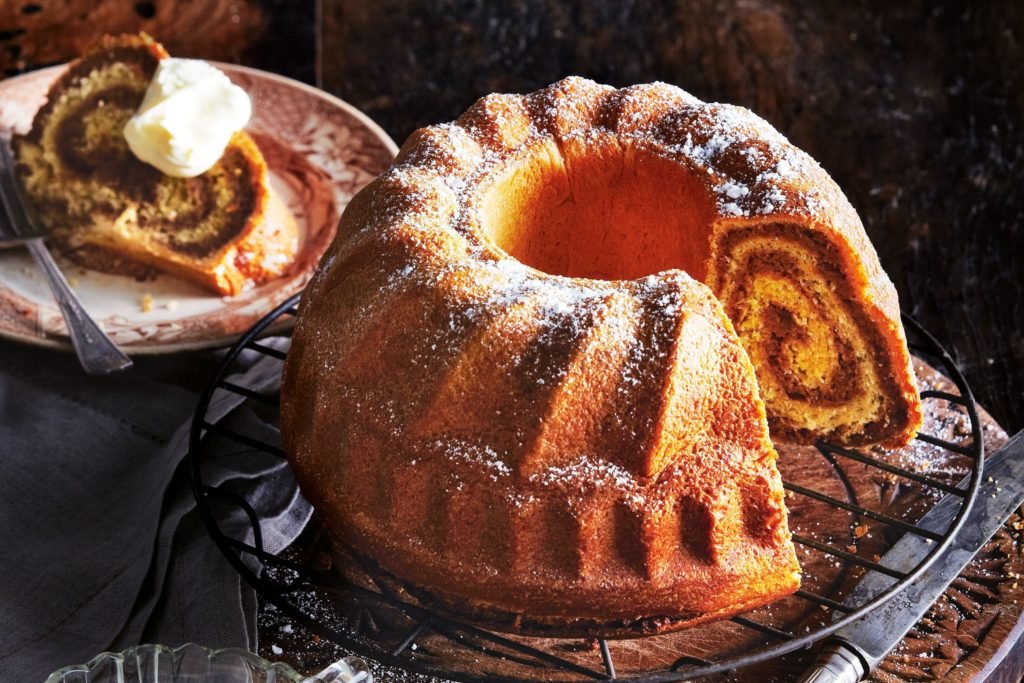
‘Potica’ is the premier festive Slovenian cake, traditionally baked in a round ceramic mould (rolled yeast-dough with filling) and was served originally for only special occasions; there are over fifty varieties of potica. The trend in Slovenian cuisine has been to adapt many old recipes which are very high in calories, and substitute ingredients for a more healthy balanced diet.
Learning activities
1. Assemble a menu
Text-type: menu
Linguistic element: nouns
Select dishes from the menu of the Ljubljana restaurant ‘Šestica’ , and write a menu
http://www.gp-vic.si/sesticaponudba.asp
http://www.matkurja.com/projects/wine/wines/
2. Select recipes
Text-type: recipe, list
Linguistic element: nouns – declensions
Select and recipes for a birthday dinner, and compile a list of ingredients required
http://www.kulinarika.net/
http://med.over.net/zdrava_prehrana/
3. Design an advertisement
Text-type: advertisement
Linguistic element: prepositions
Design and write an advertisement on’štruklji’, refer to page 262, “Štruklji – dobra jed”
http://med.over.net/literatura/knjiga_prehrana_vir_zdravja/index.html
4. Design a brochure
Text-type: exhibition brochure, recipe
Linguistic element: adjective
Design and write a brochure on the features of ‘potica’ for an exhibition of Slovenian cuisine, include a recipe
http://www.kulinarika.net
5. Write an article
Text-type: newspaper article
Linguistic element: compound sentences
Write an article on the history of buckwheat ‘ajda’ in Slovenia,
see sectiončlanki/articles
http://www.kulinarika.net
6. Prepare a talk
Text-type: radio talk
Linguistic element: verb
Write a talk for a radio programme on traditional Slovenian meals, see article, p.256
Slovenska tradicionalna hrana – Evropa v malem, by Boris Kuhar,
http://med.over.net/literatura/knjiga_prehrana_vir_zdravja/
Comprehension – reading and responding
Read the text ‘Slovenska kuhinja ‘ from the web site, ‘Kulinarična Slovenija’,
in section članki/articles
http://www.kulinarika.net
Answer the following questions in English.
1. What factors influenced the great range of Slovenian cuisine?
2. Who produced the first Slovenian cookbook?
3. What are traditional Slovenian dishes based on?
4. How have these dishes been adapted for a modern, balanced diet?
5. What are the ingredients of the popular Primorska soup ‘jota’?
6. What are the ingredients of the famous soup ‘ričet’?
7. What is the Slovenian speciality ‘štrukelj’ and how many varieties are there?
